When people purchase a bag of flour, they often focus on the finished product. But the quality of flour begins much earlier — with the wheat used to produce it.
Wheat is the primary raw material in many flour products, which means its selection plays an important role in the final result.
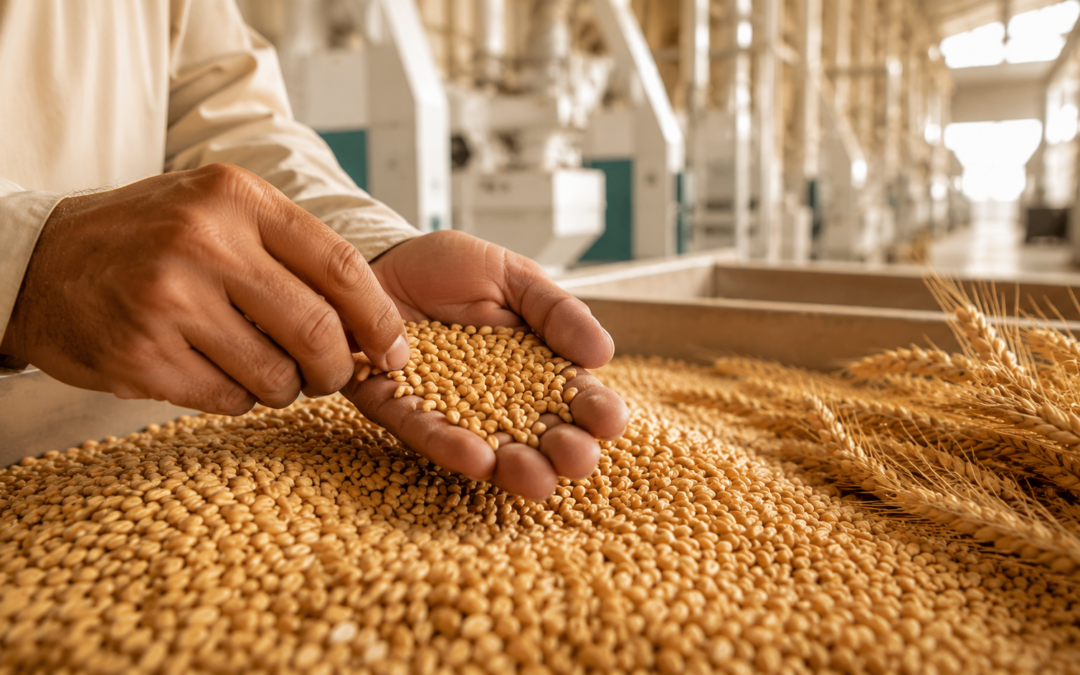
At Ali Shuja Flour Mills, the production journey begins with carefully selected wheat sourced through trusted suppliers and farmers.
Why Does Wheat Selection Matter?
Different wheat can have different characteristics.
The raw material affects the characteristics of the flour produced from it, including its texture, taste, and overall quality.
This means flour manufacturing cannot simply begin when wheat enters the milling machinery. The process starts with choosing suitable raw material.
Building a Reliable Supply of Wheat
Consistent flour production requires a reliable approach to sourcing.
Ali Shuja Flour Mills works with trusted suppliers and farmers to source high-quality wheat.
This relationship between sourcing and production is important because a flour manufacturer needs dependable raw materials to maintain consistency across production.
Wheat Is Only the Beginning
Although wheat selection is important, it is not the only factor that determines flour quality.
After wheat is sourced, it needs to be cleaned and processed before milling.
The complete production process at Ali Shuja Flour Mills includes:
- Wheat selection
- Cleaning
- Milling
- Quality checking
- Packaging
- Distribution
Each stage contributes to the final product.
The Importance of Cleaning
Once wheat has been selected, it goes through cleaning before milling.
Cleaning is an essential preparation stage because it helps ensure that wheat is properly prepared for processing.
A controlled cleaning process contributes to the overall consistency of the milling operation.
From Selected Wheat to Finely Milled Flour
Following cleaning, the wheat enters the milling stage.
Modern milling technology helps transform prepared wheat into flour with a consistent texture.
For products such as Shujah Gold Atta, the company uses carefully selected premium wheat and a fine milling process designed for everyday cooking.
Wheat Quality and Everyday Cooking
Consumers may not always think about wheat selection when preparing food at home.
However, flour is a direct result of the wheat from which it was produced.
When flour is intended for everyday recipes such as rotis, chapatis, and traditional breads, consistency becomes especially important.
A carefully managed production process can help provide a dependable ingredient for these familiar meals.
Quality Control Does Not Stop at Wheat
Selecting good wheat is the beginning of quality control, not the end.
Ali Shuja Flour Mills follows quality checks throughout the production journey.
The process includes inspection after milling as well as attention to hygienic packaging and careful distribution.
This broader approach recognizes that quality needs to be managed from raw material to finished product.
The Role of Experience
Ali Shuja Flour Mills has been producing flour since 1985.
Over the years, the company has combined generations of milling experience with modern production standards.
This experience provides a foundation for understanding the relationship between raw materials, processing, and finished flour quality.
Selecting Flour as a Consumer
When purchasing flour, consumers can look beyond the packaging.
Important questions include:
- What type of wheat is being used?
- How is the wheat sourced?
- How is it cleaned?
- What milling process is used?
- How is quality checked?
- How is the finished flour packaged?
Understanding these questions can help consumers make more informed choices.
The Foundation of Every Bag
Every finished bag of flour has a story that starts with wheat.
For Ali Shuja Flour Mills, that story begins with carefully selected wheat, continues through cleaning and modern milling, and ends with quality inspection, hygienic packaging, and distribution.
This complete process supports the company’s goal of delivering freshness, consistency, and quality in every bag.
Conclusion
Quality flour begins with quality raw materials.
Careful wheat selection provides the foundation, while cleaning, milling, quality checks, packaging, and distribution complete the production journey.
At Ali Shuja Flour Mills, this process is supported by decades of experience and modern production practices, helping turn selected wheat into flour products designed for everyday use.
Why is wheat selection important in flour production?
Wheat is the primary raw material for wheat flour, so its characteristics can influence the quality, texture, and taste of the finished flour.
Where does Ali Shuja Flour Mills source its wheat?
The company states that it carefully sources high-quality wheat from trusted suppliers and farmers.
What happens after wheat is selected?
Selected wheat goes through cleaning before being processed through the milling stage.
Is wheat selection the only factor affecting flour quality?
No. Quality also depends on cleaning, milling, quality inspection, packaging, and distribution.
How long has Ali Shuja Flour Mills been producing flour?
Ali Shuja Flour Mills has been operating since 1985.