
How to Store Atta Properly and Keep It Fresh
Atta is a staple ingredient in many Pakistani households, used regularly to prepare roti, chapati, paratha, and other everyday foods. Because flour is often purchased in larger quantities, storing it correctly is important for maintaining its quality and protecting it from moisture, pests, and contamination.
Whether you keep atta in its original packaging or transfer it to a storage container, a few simple habits can help you manage your kitchen supplies more effectively.
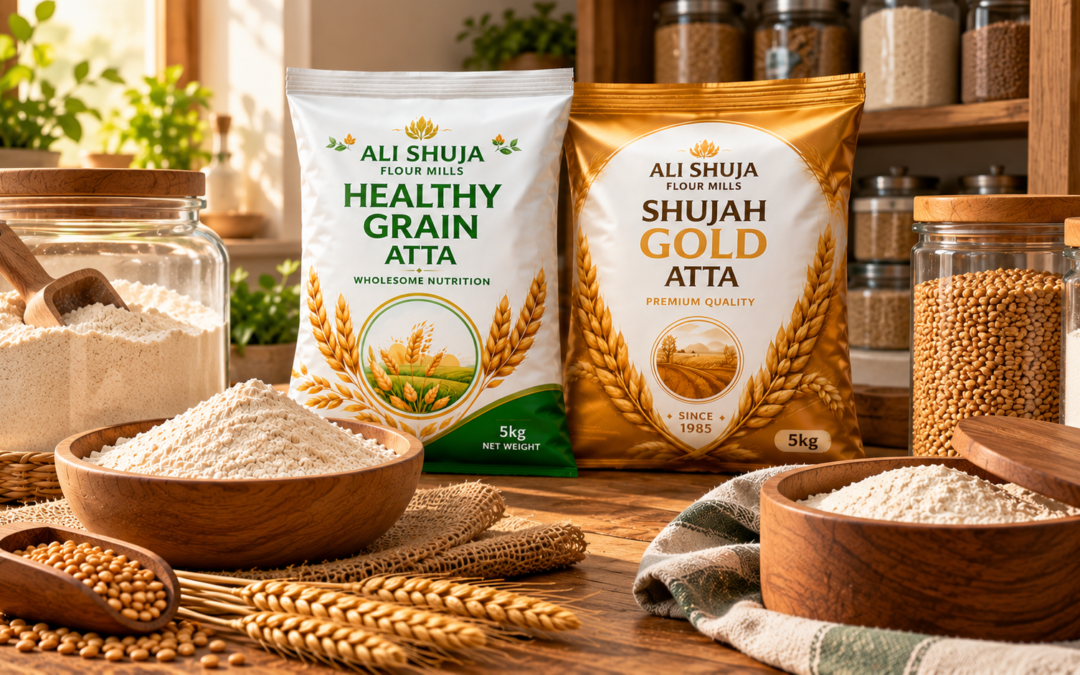
Ali Shuja Flour Mills offers Shujah Gold Atta and Healthy Grain Atta for everyday cooking needs. This guide explains how to store atta properly, recognize potential signs of spoilage, and organize your flour supplies for convenient daily use.
Why Proper Atta Storage Matters
Flour can be affected by environmental conditions after packaging has been opened. Moisture, heat, insects, strong odours, and unsuitable storage containers can compromise its quality.
Exposure to moisture is particularly important because damp conditions can encourage mould growth. Poorly sealed containers may also allow insects or other contaminants to enter the flour.
Proper storage helps protect atta from these conditions and makes it easier to maintain an organized kitchen.
The appropriate storage period depends on the flour’s characteristics, packaging, processing, and environmental conditions. Always follow the storage guidance and best-before information provided on the product packaging.
Choose a Clean, Dry, Airtight Container
An airtight container with a secure-fitting lid is a practical choice for storing opened atta. It helps limit exposure to humidity, airborne contaminants, pests, and unwanted odours.
Choose a container made from food-safe material that is easy to clean and dry thoroughly. Make sure it is large enough to hold the quantity of flour you intend to store without making handling difficult.
Before transferring atta, wash the container if necessary and allow it to dry completely. Even small amounts of leftover moisture can create problems during storage.
If you prefer to keep flour in its original package, ensure the opening is securely closed and that the package remains protected from moisture and contamination.
Store Atta Away from Heat and Moisture
Keep flour in a cool, dry place away from direct sunlight, cooking steam, leaking pipes, and other sources of moisture.
A kitchen cupboard or pantry can be suitable if it remains clean, dry, and well protected from heat. Avoid storing atta immediately beside a stove, oven, or sink where temperatures and humidity may fluctuate.
Do not place flour containers directly on a damp floor. Use a clean, dry shelf that allows convenient access while protecting the contents from spills and other contaminants.
If your kitchen regularly experiences high humidity, pay particular attention to the container seal and inspect the flour before use.
Keep Your Flour Storage Area Clean
A clean storage area helps protect atta and other pantry ingredients. Regularly inspect shelves for flour spills, food residue, insects, and signs of moisture.
Wipe up spills promptly and ensure shelves are dry before replacing containers. Keep storage areas organized so that flour packages do not remain forgotten behind other supplies.
Use clean, dry utensils when scooping flour. Avoid placing a wet measuring cup or damp hand into the container, as this can introduce moisture.
Keep atta away from strong-smelling substances because flour can absorb unwanted odours when exposed to unsuitable storage conditions.
These straightforward practices can make everyday flour handling cleaner and more convenient.
Check Freshness Before Using Atta
Before preparing dough, check the flour’s appearance, smell, and general condition.
Fresh flour should not have an unusual or unpleasant odour. Look for visible mould, signs of insects, unusual clumping associated with moisture, or other changes that suggest the flour may have been compromised.
If you notice visible mould, insect infestation, an unusual smell, or other clear signs of spoilage, do not use the flour. Discard it safely and clean the storage container before refilling it.
Always check the package’s best-before information and follow any instructions provided by the manufacturer. A date alone cannot establish whether flour has remained in suitable storage conditions, so inspection and proper handling remain important.
When in doubt about the safety of flour, avoid consuming it.
Buy a Quantity That Matches Your Household’s Needs
The amount of atta you purchase should reflect how frequently your household prepares flour-based meals and how much storage space you have.
Families that make roti every day may use flour more quickly than households that prepare it occasionally. Estimating your typical weekly consumption can help you select a suitable package size.
Avoid buying more flour than you can store properly. Keeping quantities manageable makes it easier to monitor freshness, rotate supplies, and maintain a clean pantry.
When purchasing packaged atta, check the net weight and ensure the packaging is intact. Follow the manufacturer’s storage instructions after opening.
Ali Shuja Flour Mills features Shujah Gold Atta and Healthy Grain Atta. Visit our Products page to explore the available options and review their published information.
Organize Your Pantry and Rotate Flour Supplies
A simple pantry organization system can help prevent older flour from being forgotten.
Keep recently purchased packages behind opened or older supplies, provided the older flour remains in suitable condition. Use the older stock first and check its packaging information before use.
If you transfer flour into a separate container, label it with the product name and the date you opened the package. This can help you keep track of supplies and follow the relevant storage guidance.
Avoid mixing new flour with old flour without first checking the condition of the existing contents. Clean and dry the container between batches when appropriate.
These small steps help you manage pantry supplies efficiently and make it easier to maintain consistent storage practices.
Explore Atta Products from Ali Shuja Flour Mills
Proper storage is an important part of maintaining flour quality at home. Keeping atta dry, using clean airtight containers, avoiding excessive heat, and checking the flour before use can help protect it during everyday storage.
Ali Shuja Flour Mills has a history dating back to 1985 and features Shujah Gold Atta and Healthy Grain Atta in its product range.
Explore our Products page to learn more about the available products. You can also discover About Ali Shuja Flour Mills and read more about our milling process.
For product information or business enquiries, please visit our Contact Us page.
By choosing suitable packaging, maintaining a clean pantry, and following the storage guidance on the label, you can make flour storage a simple and reliable part of your household routine.
How should I store atta at home?
Store atta in a clean, airtight container in a cool, dry place away from direct sunlight, heat, moisture, and strong odours. Follow the storage instructions provided on the product packaging.
Can I store atta in its original packaging?
Yes, provided the packaging remains suitable for storage and can be securely closed after opening. Protect it from moisture, pests, and contamination, or transfer the flour to a clean, dry, airtight container.
How can I tell if atta has gone bad?
Look for visible mould, signs of insects, unusual odours, or other clear changes that suggest spoilage. Do not use flour that appears contaminated or has an unusual smell.
Should atta be kept in the refrigerator?
A cool, dry pantry is generally suitable when the product is stored according to its packaging instructions. In hot or humid conditions, refrigeration may be an option if recommended for the product, but the flour must be protected from condensation and moisture.
Which atta products are available from Ali Shuja Flour Mills?
Ali Shuja Flour Mills features Shujah Gold Atta and Healthy Grain Atta. Visit the Products page to explore the available products and review their published details.