Flour may be a familiar ingredient in almost every kitchen, but the journey from a wheat grain to the flour used for everyday cooking involves several carefully managed stages. The quality of the final flour depends on what happens long before it reaches the kitchen.
At Ali Shuja Flour Mills, the process begins with carefully selected wheat and continues through cleaning, milling, quality inspection, packaging, and distribution. This structured approach helps maintain freshness, consistency, and quality across the finished products.
Why the Flour Milling Process Matters
Good flour begins with good wheat, but sourcing quality wheat is only the first step. Wheat needs to be prepared properly before milling, and the milling process itself needs to be carefully managed.
A controlled milling process helps transform selected wheat into flour with the desired texture and consistency. It also allows quality checks to take place throughout production instead of relying only on an inspection of the final product.
For consumers, this matters because flour is an everyday ingredient. Whether it is used for rotis, chapatis, traditional breads, or other recipes, consistency can make a noticeable difference in the cooking experience.
Step 1: Selecting Quality Wheat
The flour-making journey begins with wheat selection.
Ali Shuja Flour Mills carefully sources high-quality wheat from trusted suppliers and farmers. Selecting suitable wheat provides the foundation for producing flour with consistent characteristics.
Wheat quality can influence the final flour’s taste, texture, freshness, and overall performance. This is why sourcing is an important part of the milling process rather than simply a preliminary purchasing step.
Step 2: Cleaning the Wheat
Once suitable wheat has been sourced, it goes through the cleaning stage.
Cleaning is an important part of preparing wheat for milling. It helps ensure that the grain entering the milling process is properly prepared before further processing.
A carefully managed cleaning stage contributes to a controlled production environment and supports the quality standards expected from finished flour products.
Step 3: Milling
After cleaning, the wheat moves into the milling stage.
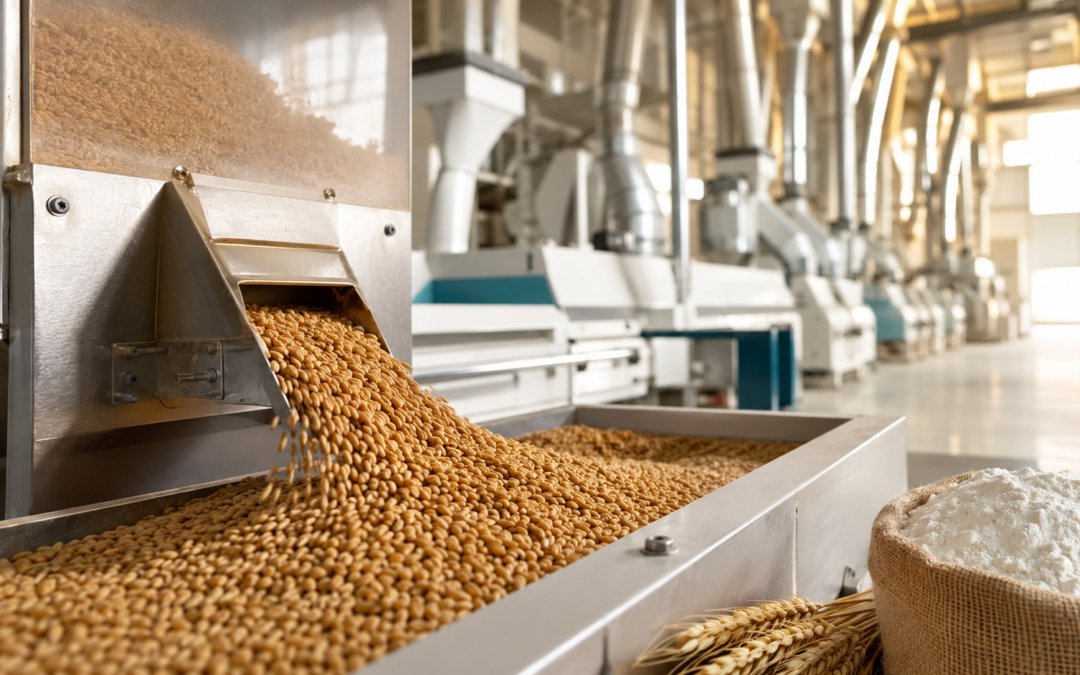
Milling transforms prepared wheat into flour through modern milling technology. The objective is to achieve a consistent flour texture while maintaining the desired characteristics of the product.
Modern milling practices are particularly important when producing flour at scale because consistency needs to be maintained from one production cycle to another.
At Ali Shuja Flour Mills, generations of milling experience are combined with modern production standards to support consistent flour production.
Step 4: Quality Checks
Quality control is an important part of the entire process.
After milling, the flour is inspected to ensure that it meets the required quality expectations. According to Ali Shuja Flour Mills, the quality process includes wheat selection, cleaning, milling, quality inspection, hygienic packaging, and careful distribution.
This approach places quality control throughout the production journey rather than treating it as a final step only.
Step 5: Hygienic Packaging
Once the flour has passed quality checks, it is packaged.
Packaging plays an important role in protecting the finished product and maintaining its freshness as it moves from the production facility toward consumers and businesses.
Hygienic packaging is therefore an important part of delivering a consistent product beyond the milling facility.
Step 6: Distribution
The final stage is distribution.
After packaging, finished flour products are prepared for delivery and distribution. Careful handling at this stage helps ensure that the product reaches its intended destination in suitable condition.
This completes the journey from selected wheat to finished flour.
How the Process Supports Product Consistency
A reliable flour product depends on consistency at every stage.
If wheat selection is inconsistent, the raw material can vary. If cleaning is not properly managed, preparation may be affected. If milling conditions vary, the final texture can change. Packaging and distribution also matter because the finished product needs to be handled appropriately after production.
This is why a complete production system is more important than focusing on just one stage.
From the Mill to the Kitchen
The final purpose of the milling process is to create flour that can become part of everyday meals.
Shujah Gold Atta, one of Ali Shuja Flour Mills’ products, is made from carefully selected premium wheat and finely milled for everyday household cooking. It is positioned for uses including rotis, chapatis, and traditional breads.
Healthy Grain Atta is another product offered by the mill, developed as a blend of quality grains for consumers looking for a wholesome grain-based flour option.
A Tradition of Milling Since 1985
Ali Shuja Flour Mills has been operating since 1985, combining generations of milling experience with modern production standards.
The company’s approach focuses on selected wheat, controlled processing, quality checks, hygienic packaging, and distribution. Together, these stages form a complete system designed around freshness, consistency, and quality.
Conclusion
Understanding the flour milling process gives consumers a better appreciation of what goes into an everyday staple.
From selecting wheat to cleaning, milling, quality checking, packaging, and distribution, every stage contributes to the final product.
At Ali Shuja Flour Mills, this process is supported by decades of milling experience and modern production practices, helping turn carefully selected wheat into flour products designed for everyday use.
What is the flour milling process?
The flour milling process is the series of steps used to transform wheat into flour. It includes wheat selection, cleaning, milling, quality checking, packaging, and distribution.
Why is wheat cleaning important before milling?
Cleaning helps prepare the wheat before it enters the milling stage and supports a controlled production process.
How does quality control affect flour production?
Quality control helps maintain consistency throughout production by checking the wheat, milling process, finished flour, packaging, and distribution stages.
What products does Ali Shuja Flour Mills offer?
Ali Shuja Flour Mills currently highlights Shujah Gold Atta and Healthy Grain Atta as its primary flour products.
How long has Ali Shuja Flour Mills been producing flour?
Ali Shuja Flour Mills has been serving customers since 1985, combining traditional milling expertise with modern production standards.