Whole Wheat Atta: Benefits, Nutrition, and Everyday Uses
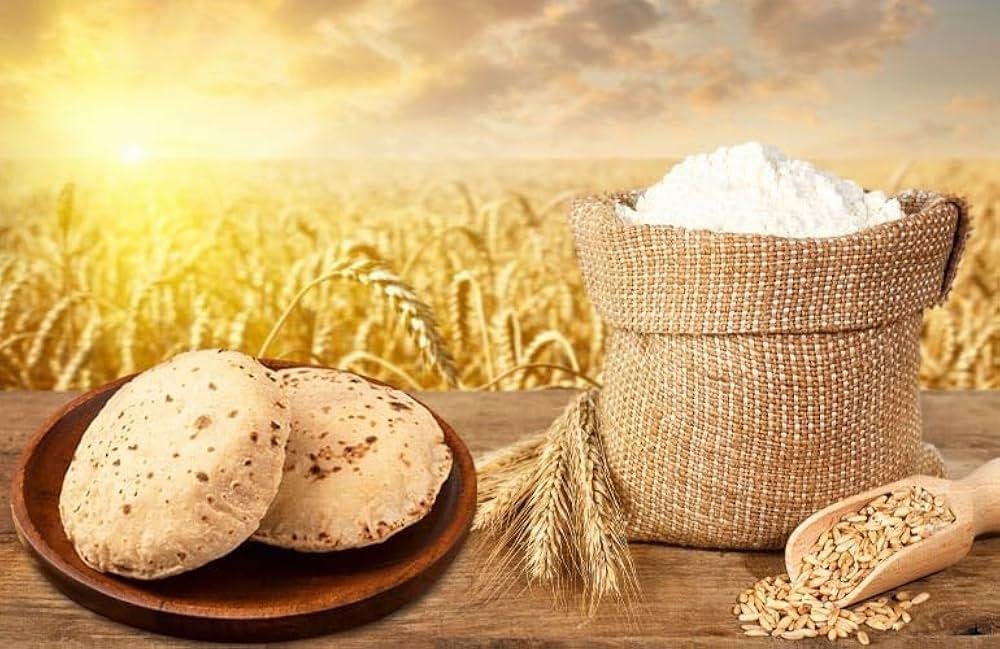
Whole wheat atta is a staple ingredient in many Pakistani kitchens. From freshly prepared roti and chapati to paratha and other traditional flatbreads, atta plays an important role in everyday meals. Choosing flour that suits your cooking needs and understanding how it is produced can help you get more consistent results in the kitchen.
At Ali Shuja Flour Mills, our focus is on flour quality, consistency, and dependable milling practices. With products including Shujah Gold Atta and Healthy Grain Atta, we aim to serve households looking for flour for their everyday cooking.
In this guide, we explore the characteristics of whole wheat atta, its nutritional qualities, common uses, and practical tips for selecting and storing flour.
What Is Whole Wheat Atta?
Whole wheat atta is flour produced by milling wheat grain. The grain contains several components, including the bran, germ, and starchy endosperm. When these components are retained in the flour, they contribute different nutrients and characteristics to the finished product.
The exact composition, texture, and nutritional profile of flour depend on the wheat used and the milling process. These factors can influence how the dough feels, how easily it can be rolled, and the texture of the bread after cooking.
In Pakistani households, atta is particularly valued for making roti and chapati. Its versatility also makes it useful for preparing other everyday foods, depending on the recipe and desired texture.
2. Whole Wheat Atta Benefits and Nutritional Qualities
Whole wheat atta can contribute carbohydrates, plant-based protein, dietary fibre, and naturally occurring vitamins and minerals to a balanced diet. The amounts vary according to the wheat, processing method, and final flour composition.
Dietary fibre is one reason whole grain foods are commonly included in balanced eating patterns. Fibre supports normal digestive function, while carbohydrates provide energy for everyday activities.
However, the nutritional value of a finished meal depends on more than flour alone. Portion size, accompanying foods, cooking methods, and an individual’s dietary needs all matter.
It is also important to distinguish general whole wheat nutrition from the specific nutritional profile of a packaged product. For precise values, check the product’s nutrition information where available rather than relying on general estimates.
Why Flour Quality Matters for Everyday Cooking
Good flour should suit the foods you intend to prepare. For roti and chapati, dough handling, moisture absorption, elasticity, and cooking performance can all affect the final result.
Several factors influence flour quality:
- Wheat selection: The characteristics of the wheat contribute to the flour’s performance.
- Milling consistency: A consistent milling process helps produce flour with more predictable characteristics.
- Freshness and storage: Exposure to moisture, heat, air, and strong odours can affect flour during storage.
- Intended use: Different recipes may require different flour characteristics and dough preparation methods.
Ali Shuja Flour Mills highlights carefully selected wheat and modern milling practices as part of its approach to producing consistent flour products.
Everyday Uses of Whole Wheat Atta
Atta is used in a wide range of home-cooked foods. The right preparation technique helps you make the most of the flour you have available.
Roti and chapati: These everyday flatbreads typically require atta, water, and a little time for dough preparation. Kneading and resting help the dough become easier to shape.
Paratha: Atta can be used for layered or folded flatbreads. The final texture depends on the dough, rolling technique, fat used, and cooking method.
Stuffed flatbreads: Atta dough can form the outer layer of stuffed breads filled with vegetables, potatoes, or other ingredients.
Other home recipes: Depending on the recipe, atta can also be used in certain baked goods and savoury preparations.
For the best results, follow the recipe’s recommended proportions and adjust water gradually to suit the flour and desired dough consistency.
How to Choose Atta for Your Household
When selecting atta, consider how frequently you cook, which foods you prepare most often, and what texture you prefer in the finished product.
Start by checking the product name, ingredients, package condition, and any available nutritional information. Make sure the packaging is intact and that the product is appropriate for your intended use.
You can also consider the quantity you normally consume. A package size that matches your household’s usage may make it easier to manage freshness and storage.
Ali Shuja Flour Mills offers Shujah Gold Atta and Healthy Grain Atta. Visit our Products page to explore the available options and review the information provided for each product.
Practical Tips for Preparing Better Roti
A few simple techniques can make everyday roti preparation more manageable.
First, add water gradually while mixing the flour. Different flour batches can absorb water differently, so avoid adding all the water at once.
Next, knead the dough until it comes together into a workable consistency. Cover it and allow it to rest briefly before rolling. Resting gives the flour time to absorb moisture and can make the dough easier to handle.
Divide the dough into evenly sized portions and roll each portion to a reasonably uniform thickness. Cook on a properly heated tawa, turning the roti as needed until it is cooked through.
If the roti feels too stiff, breaks while rolling, or becomes dry quickly, review the water quantity, resting time, thickness, and cooking temperature. Small adjustments can help you find a method that works well for your kitchen.
How to Store Atta and Maintain Freshness
Proper storage helps protect flour from moisture, pests, contamination, and unwanted odours.
Keep atta in a clean, dry, airtight container. Store the container in a cool, dry place away from direct sunlight, heat sources, and areas where steam or moisture collects.
Always use clean, dry utensils when handling flour. Avoid mixing a new batch with older flour unless you have checked the older flour’s condition and can maintain appropriate stock rotation.
Check the package for storage instructions and any best-before information. If flour develops an unusual smell, visible mould, signs of insects, or other clear signs of spoilage, do not use it.
Buying a quantity that suits your household’s consumption can also help you manage storage more effectively.
Explore Atta from Ali Shuja Flour Mills
Choosing flour is an everyday decision, but understanding its source, characteristics, and intended use can make meal preparation easier. From dough consistency to proper storage, a few practical habits can help you achieve more dependable results in the kitchen.
Ali Shuja Flour Mills has been producing flour products since 1985, combining milling experience with a focus on quality and consistency. Our range includes Shujah Gold Atta and Healthy Grain Atta for household cooking needs.
Explore our products, learn more about Ali Shuja Flour Mills, or read about our milling process.
For product information or business enquiries, please visit our Contact Us page.
Editorial note: Nutritional characteristics vary by flour composition and processing. This article provides general food information and is not a substitute for individual dietary advice.
What are the benefits of whole wheat atta?
Whole wheat atta provides carbohydrates, plant-based protein, dietary fibre, and naturally occurring vitamins and minerals. Its nutritional composition depends on the wheat and milling process, and it can be included as part of a balanced diet.
What can you make with whole wheat atta?
Whole wheat atta is commonly used to prepare roti, chapati, paratha, stuffed flatbreads, and various other homemade foods. The final texture depends on the flour, dough preparation, and cooking method.
How do I choose good-quality atta for my family?
Check the product packaging, ingredients, package condition, and available nutritional information. Consider your household’s cooking preferences and choose flour suitable for the foods you prepare regularly.
How should I store whole wheat atta to keep it fresh?
Store atta in a clean, airtight container in a cool, dry place away from direct sunlight and moisture. Use clean, dry utensils and follow the storage instructions printed on the packaging.
Which atta products are available from Ali Shuja Flour Mills?
Ali Shuja Flour Mills features Shujah Gold Atta and Healthy Grain Atta. Visit the Products page to explore the available products and their details.