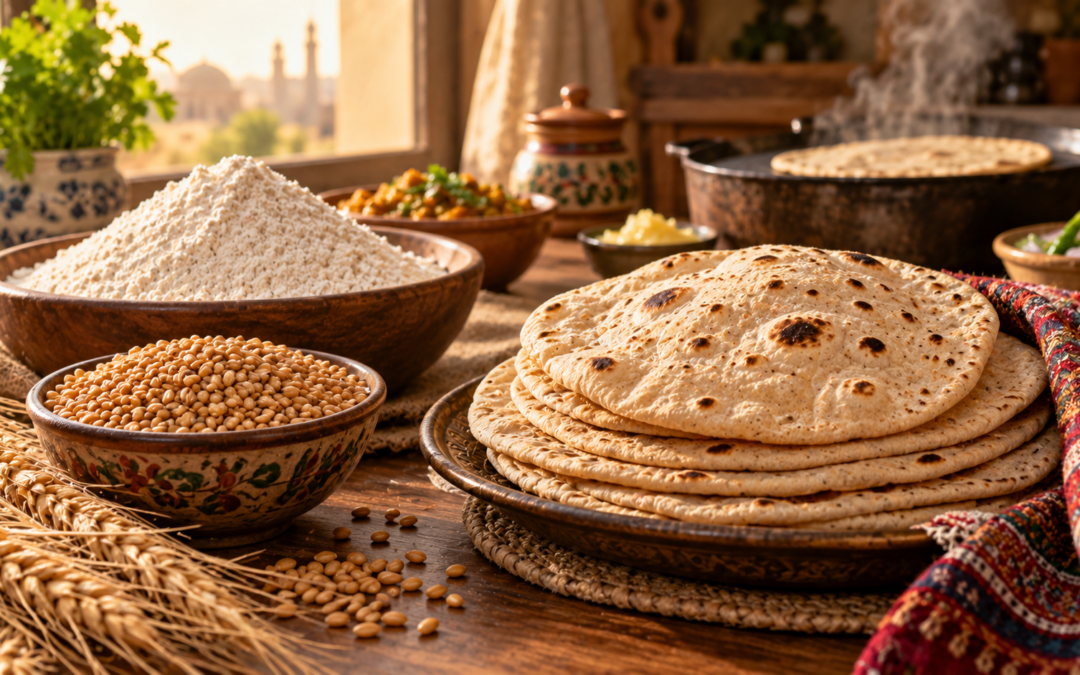
The quality of flour can make a difference when preparing everyday breads.
For many households, rotis and chapatis are regular parts of meals, which means choosing a suitable atta is an important kitchen decision.
Shujah Gold Atta from Ali Shuja Flour Mills is made from carefully selected premium wheat and finely milled for everyday cooking.
What Makes Flour Suitable for Roti?
Roti requires a flour that can be mixed, kneaded, rolled, and cooked as part of a familiar preparation process.
The flour’s texture is therefore an important consideration.
Shujah Gold Atta is finely milled, making it suitable for everyday recipes such as rotis and chapatis.
The Role of Wheat Quality
Before flour reaches the kitchen, its journey begins with wheat.
Ali Shuja Flour Mills carefully sources wheat from trusted suppliers and farmers.
For Shujah Gold Atta, the company uses carefully selected premium wheat as the foundation of the product.
Why Consistency Matters
Families often prepare rotis and chapatis repeatedly.
When the same flour is used regularly, consistency becomes valuable because cooks want predictable results from one meal to the next.
A structured production process helps manufacturers work toward that consistency.
How Shujah Gold Atta Is Produced
The product journey follows several stages.
First, suitable wheat is selected. The wheat is cleaned before milling, and the resulting flour is checked for quality.
After inspection, it is hygienically packaged and prepared for distribution.
This process connects the raw wheat with the flour eventually used in household kitchens.
Beyond Rotis and Chapatis
Although rotis and chapatis are common uses, wheat atta can also be used in traditional breads and other recipes.
The versatility of flour makes it one of the most practical ingredients in a household pantry.
What Should You Look for in Roti Flour?
When selecting flour for rotis and chapatis, consider:
Wheat quality: The raw material forms the foundation of the flour.
Milling: Milling influences texture.
Consistency: Regular cooking benefits from predictable flour characteristics.
Production standards: Quality checks and hygienic processing are important.
Intended use: Choose flour that suits the foods your household prepares.
The Experience Behind the Product
Ali Shuja Flour Mills has been operating since 1985.
Its decades of milling experience are combined with modern production standards.
This approach allows the company to produce flour for contemporary consumers while remaining connected to traditional food habits.
A Familiar Ingredient With a Long Journey
A roti may take only a few minutes to cook, but the flour used to make it has already travelled through a much longer journey.
From wheat selection and cleaning to milling, quality checking, packaging, and distribution, each stage contributes to the finished product.
Conclusion
Choosing flour for rotis and chapatis starts with understanding the product behind the package.
Shujah Gold Atta combines carefully selected premium wheat with fine milling and a structured production process designed for everyday cooking.
For households that regularly prepare traditional breads, paying attention to wheat quality, texture, consistency, and production practices can help make a more informed flour choice.
What type of flour is suitable for rotis?
A quality wheat atta with a suitable, consistent texture is commonly used for rotis.
Is Shujah Gold Atta suitable for chapatis?
Yes. Shujah Gold Atta is positioned for everyday cooking, including chapatis.
What wheat is used in Shujah Gold Atta?
It is made from carefully selected premium wheat.
Why does milling matter for roti flour?
Milling influences the texture and characteristics of the flour.
Can wheat atta be used for traditional breads?
Yes. Wheat atta can be used for a range of traditional flour-based breads.